Darknet Markets 2026:
The dark web is part of the deep web but is built on darknets: overlay networks that sit on the internet but which can't be accessed without special tools or software like Tor. Tor is an anonymizing software tool that stands for The Onion Router — you can use the Tor network via Tor Browser.
| Darknet Market | Established | Total Listings | Link |
|---|---|---|---|
| TorZon Market | 2022 | 140+ | Onion Link |
| Nexus Market | 2024 | 600+ | Onion Link |
| Abacus Market | 2022 | 100+ | Onion Link |
| Ares | 2026 | 100+ | Onion Link |
| Cocorico | 2023 | 110+ | Onion Link |
Updated 2026-10-27
How a simple link opens a private drug marketplace
A darknet market link is a specific web address, known as an .onion URL, that provides direct access to a marketplace operating on the Tor network. These links function as gateways to platforms where commerce is conducted with a high degree of privacy and autonomy. The structure of these markets is built upon peer-to-peer principles, connecting buyers and vendors directly without traditional corporate intermediaries.
The link itself is a cryptographic key. It points to a server hidden by Tor's encryption, which anonymizes the location of the market and its users. When you use a correct and current link, you establish a secure connection to a marketplace interface that is often surprisingly user-friendly and familiar in design, resembling conventional e-commerce sites. This design includes product listings, shopping carts, and vendor profiles.
Finding a functional link is the first critical step, as these addresses change frequently for security reasons. Reliable links are often disseminated through dedicated forums and community boards. A valid link leads to a platform where cryptocurrency transactions and escrow services are standard, ensuring that funds are held securely until the buyer confirms receipt of goods. This system, combined with public vendor rating systems, creates a self-regulating environment where trust is built through transparent peer feedback and successful transactions, facilitating a streamlined and efficient online trade experience.
How Crypto and Encryption Make Darknet Trade Safe
The security of a darknet market transaction relies on two fundamental technologies: cryptocurrency and encryption. Cryptocurrencies like Monero or Bitcoin provide financial privacy. These currencies operate on a public ledger, but the wallet addresses are pseudonymous. This means payments can be verified on the network without directly linking the transaction to a real-world identity, facilitating a discreet exchange of value.
Encryption is used for all communication. The market link itself is accessed via the Tor network, which encrypts traffic in layers. Once on a market, the internal messaging system uses PGP encryption. A buyer encrypts their delivery address with the vendor's public PGP key, ensuring only that specific vendor can decrypt and read it. This prevents market administrators or interceptors from accessing sensitive data.
The combination creates a secure environment. The financial trail is obscured by cryptocurrency, while personal and transactional data is protected by end-to-end encryption. This technical framework allows participants to engage in trade with a high degree of confidence in their anonymity and the security of their information.
Easy and Safe Shopping on the Darknet
The user interface of a modern darknet market is designed for clarity and efficiency. Product listings are organized into clear categories, complete with search functions, filters, and detailed descriptions. The process from selection to checkout mirrors that of conventional e-commerce platforms.
A typical transaction follows a straightforward path:
- The buyer selects a product and adds it to a cart.
- Payment is made to a secured escrow account, not directly to the vendor.
- The vendor ships the order.
- Upon delivery, the buyer finalizes the transaction, releasing the escrowed funds.
This system is underpinned by vendor ratings and detailed feedback. Each vendor's profile displays their history, average shipping times, and percentage of completed orders. This transparent reputation mechanism allows buyers to make informed decisions based on peer reviews, significantly reducing the risk of fraud. The entire experience is built on principles of mutual trust through verification and transactional security, making the acquisition of goods a predictable and reliable process.

How Ratings and Escrow Make Buying on the Darknet Safe and Easy
The operational integrity of a darknet market link is fundamentally dependent on its reputation systems. These systems, primarily composed of vendor ratings and escrow services, create a self-regulating environment that fosters trust between anonymous parties. Unlike conventional e-commerce, where legal frameworks enforce compliance, darknet markets rely on these peer-driven mechanisms to ensure transactional reliability and product quality.
Vendor profiles display detailed historical data, including:
- Percentage of positive feedback from completed orders.
- Specific comments regarding product purity, weight, and shipping speed.
- The vendor's tenure on the platform and total number of transactions.
This transparent record allows buyers to make informed decisions, consistently directing business toward vendors who maintain high standards. The feedback is immutable and linked directly to a cryptocurrency transaction, making it a credible metric for assessing vendor performance.
Parallel to the rating system, the escrow service acts as a neutral third party in each transaction. Funds from the buyer are held in escrow by the market's automated system until order completion. This process mitigates the risk of fraud by ensuring payment is only released after the buyer confirms satisfactory receipt of the goods. The escrow model effectively resolves the inherent dilemma of who should fulfill their obligation first in an anonymous setting, securing both the buyer's financial outlay and the vendor's incentive to deliver as advertised.
The combination of crowd-sourced ratings and secured financial handling establishes a robust framework for buyer confidence. This framework reduces uncertainty and facilitates smoother commerce, allowing these platforms to function with a efficiency that mirrors, and in some aspects surpasses, that of surface web marketplaces reliant on traditional identity verification and legal recourse.
A Huge Selection of Goods on the Darknet
The product catalog on a modern darknet market is its most definitive feature, directly driving its economic viability and user adoption. These platforms function as comprehensive digital marketplaces where the principle of supply meeting demand operates with minimal conventional restriction. The inventory is vast, categorized with precision mirroring that of surface web e-commerce, and spans several distinct sectors beyond the commonly associated psychoactive substances.
Foremost, the selection of pharmaceuticals and recreational drugs is extensive. This includes everything from prescription medications like analgesics and stimulants to plant-based substances and synthetic research chemicals. Each listing typically includes detailed specifications on purity, dosage, and origin, with vendors competing on product quality which is verifiable through community feedback. Digital goods form another major category, offering stolen data, software exploits, and forged documents. The availability of such items highlights the market's role in cybercrime economies. Furthermore, a selection of legal goods is often present, including censored books, privacy tools, and digital services, appealing to users seeking anonymity for non-illegal purposes.
The range is maintained and expanded through a decentralized network of independent vendors. This structure allows for rapid adaptation to consumer trends and sourcing opportunities. A buyer can locate common and niche items from multiple global suppliers within a single interface, comparing price and vendor reputation. The system's design ensures that for virtually any product in demand where anonymity is a prerequisite, a supplier will emerge to fill that market niche, sustained by the escrow and rating mechanisms that facilitate trust in these peer-to-peer transactions.
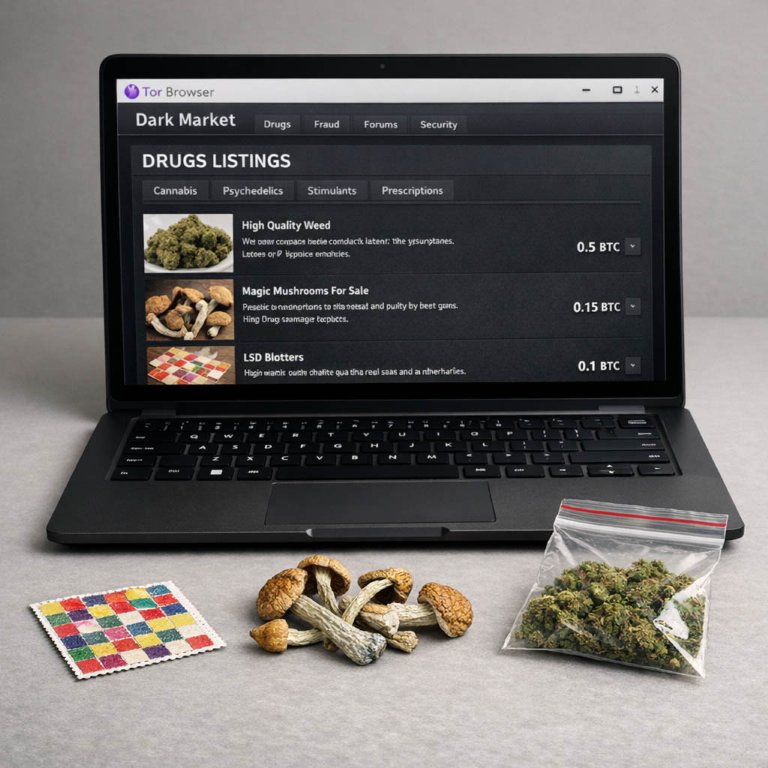
How Packages Arrive Safely and Discreetly
The final and most tangible step in the darknet shopping process is delivery, a system refined for discretion and reliability. Successful markets operate on the principle that a package must attract no attention. Vendors employ professional stealth packaging techniques, which often involve vacuum sealing to eliminate odor and multiple layers of common materials to disguise the product's shape and identity. The item is typically placed inside a decoy object, such as a DVD case, a book, or an everyday consumer good, making it visually indistinguishable from regular mail during routine handling.
Logistics are handled with precision. Vendors use untracked or minimally tracked postal services to reduce digital footprints, and shipping labels are often handwritten or printed to appear non-commercial. The peer review system directly reinforces reliability; a vendor's shipping performance is a critical component of their rating. Buyers consistently report on:
- the speed of delivery,
- the effectiveness of the stealth methods,
- and the overall condition of the product upon arrival.
This creates a self-regulating environment where only vendors who master logistical opsec maintain high standings and continued business. The entire delivery framework is designed for seamless integration into the standard mail flow, ensuring the transaction concludes with the same privacy and efficiency with which it began.
The P2P Network That Keeps the Darknet Market Running
The operational foundation of a reliable darknet market is its peer-to-peer (P2P) network architecture. This structure is fundamentally different from traditional centralized websites. Instead of relying on a single, vulnerable server, the market's presence is distributed across countless user nodes. This distribution is achieved through networks like Tor or I2P, which encrypt and randomly route connection requests through multiple volunteer-operated relays. The practical effect is that there is no central point of failure for authorities to target, ensuring remarkable resilience and uptime.
When you acquire a functional market link, you are essentially obtaining a current gateway into this decentralized mesh. The link itself is a dynamically generated .onion or .i2p address that points to one of several active entry nodes. The P2P design means that if one node is compromised or taken offline, the network automatically reroutes traffic through other available nodes, often with minimal disruption to the user. This creates a self-healing ecosystem where the marketplace can persist even under pressure, as its core components and data are not housed in one location.
The benefits for secure commerce are direct:
- Vendor and buyer transactions are not dependent on a single company's server that could be seized.
- Communication and order details are fragmented and encrypted across the network, making large-scale data interception impractical.
- The community itself helps maintain the network's integrity by sharing verified links and new entry points through trusted forums, creating a collective redundancy system.
Therefore, a valid link is more than just a URL; it is an access key to a robust, distributed system engineered for persistence. The strength of the darknet market is not in its individual components but in the collective, redundant power of its peer-to-peer network, which directly translates to a more stable and secure shopping environment for all participants.
How Darknet Markets Made Buying Drugs Online Easier
The operational model of a darknet market represents a significant evolution in digital commerce, applying standard e-commerce principles to a specialized sector. This formalization has created a more efficient and reliable trading environment compared to earlier, less structured peer-to-peer exchanges. The system is built on a foundation of cryptographic security and cryptocurrency transactions, which together automate and secure the financial process, removing traditional intermediaries and geographic limitations.
The introduction of structured vendor rating systems and mandatory escrow services has institutionalized trust. Buyers make informed decisions based on detailed feedback and historical performance data, while funds are held securely by the platform until the buyer confirms satisfactory receipt of the product. This mechanism dramatically reduces the risk of fraud for both parties.
Logistics have been optimized to mirror legitimate online retail. Vendors compete on service quality, offering:
- Discreet and professional packaging
- Reliable shipping methods with tracking options
- Clear communication throughout the delivery process
This end-to-end streamliningfrom search and discovery using the market link, through secure payment and escrow, to final deliveryhas created a robust, user-centric ecosystem. The darknet market link serves as the gateway to this optimized commercial network, where efficiency, security, and consumer satisfaction are paramount for sustained operation.