Darknet Markets 2026:
The dark web is part of the deep web but is built on darknets: overlay networks that sit on the internet but which can't be accessed without special tools or software like Tor. Tor is an anonymizing software tool that stands for The Onion Router — you can use the Tor network via Tor Browser.
| Darknet Market | Established | Total Listings | Link |
|---|---|---|---|
| TorZon Market | 2022 | 140+ | Onion Link |
| Nexus Market | 2024 | 600+ | Onion Link |
| Abacus Market | 2022 | 100+ | Onion Link |
| Ares | 2026 | 100+ | Onion Link |
| Cocorico | 2023 | 110+ | Onion Link |
Updated 2026-10-27
Safe and Private Shopping on the Darknet
The operational model of darknet markets is fundamentally designed to facilitate safe and private shopping by establishing a framework of cryptographic anonymity and community-driven trust. These platforms function as multi-vendor marketplaces where all participants connect through the Tor network, which masks their IP addresses and physical locations. This foundational layer of network anonymity is crucial, as it allows both buyers and sellers to interact without revealing their real-world identities, creating a secure environment for commerce.
Within this anonymous space, trust is cultivated through transparent and verifiable systems. Vendor rating systems are a core component, where buyers leave detailed feedback on product quality, shipping speed, and communication. This creates a powerful reputation mechanism; vendors with consistently high ratings and many completed sales become trusted vendors. Their established reputation acts as a strong economic incentive to maintain high standards, as any fraudulent activity would irreparably damage their standing and future income. This peer-review process effectively crowdsources quality assurance.
Financial security is handled through cryptocurrency transactions, primarily Bitcoin or Monero, which provide pseudonymous payment channels. To prevent fraud, most transactions utilize a multisignature escrow service. In this system, the buyer's funds are held in a secure third-party wallet until the product is received and confirmed. Only then is the payment released to the vendor. This mechanism protects the buyer from non-delivery and the vendor from fraudulent chargebacks, ensuring a fair trade completion for both parties.
Further protection is achieved through end-to-end encryption for all communications. Buyers and sellers use PGP encryption to exchange addresses and sensitive details, meaning that even the market platform itself cannot read the content. This ensures that buyer and seller information remains confidential and secure from interception. The combination of these elementsnetwork anonymity, reputation metrics, escrow, and encryptioncreates a resilient ecosystem where private shopping can occur with a high degree of predictable safety and reduced risk, driven by the mutual self-interest of its participants.
How Crypto and Reputation Build Trust on the Darknet
Cryptocurrency is the financial engine of darknet commerce, enabling transactions that are both private and borderless. Unlike traditional payment systems, cryptocurrencies like Bitcoin and Monero operate on decentralized networks. This means transactions do not require the disclosure of personal identities to a central authority, such as a bank. The buyer sends funds directly to a wallet address, which acts as a pseudonymous identifier.
The privacy aspect is enhanced through several mechanisms. Monero, for instance, uses advanced cryptographic techniques to obfuscate transaction details, making the sender, receiver, and amount confidential. This level of financial privacy is fundamental for users who prioritize discretion. It allows for a clean separation between one's physical identity and their commercial activity on a darknet market.
This financial model directly supports the establishment of trusted vendor relationships. Since payment is not tied to a name or address, the risk of personal exposure is minimized. The system's design shifts the focus of trust from personal identification to transactional reputation. Funds are typically held in a market escrow service until the buyer confirms satisfactory receipt of the product. This protects the buyer from fraud and incentivizes the vendor to maintain high standards, as their reputation and future sales depend on successful, dispute-free transactions.
The process integrates seamlessly with vendor rating systems. A buyer's financial commitment, secured by escrow, is only released after they post a review. This creates a transparent feedback loop:
- Cryptocurrency enables the private transfer of value.
- Escrow secures that value pending a successful exchange.
- The vendor's reputation is built and verified through accumulated, validated reviews.
How Encryption Keeps Darknet Trade Safe and Private
The operational security of a darknet market is fundamentally dependent on end-to-end encryption. This technology acts as an unbreakable seal for all private communications between a buyer and a vendor. When a user sends a message, it is encrypted on their device using the recipient's public key. The message, now an indecipherable string of data, travels across the network and can only be decrypted and read by the intended recipient who possesses the corresponding private key. This system ensures that even the market administrators cannot access the content of these exchanges, creating a private channel for discussing order specifics, shipping details, or custom requests.
This encryption extends beyond messages to protect critical transaction data. A user's real-world identity is safeguarded through the use of cryptocurrency wallets that are not tied to personal identification, and their physical address is shared only through these encrypted channels. The market itself never holds this sensitive information in a readable format. The practical outcome is a significant reduction in risk for both parties. Buyers can shop with confidence that their personal details are protected, while vendors can manage their business and logistics without exposing their operations. This technical foundation is what makes discreet commerce possible, as it removes the need for interpersonal trust and replaces it with verifiable cryptographic security.
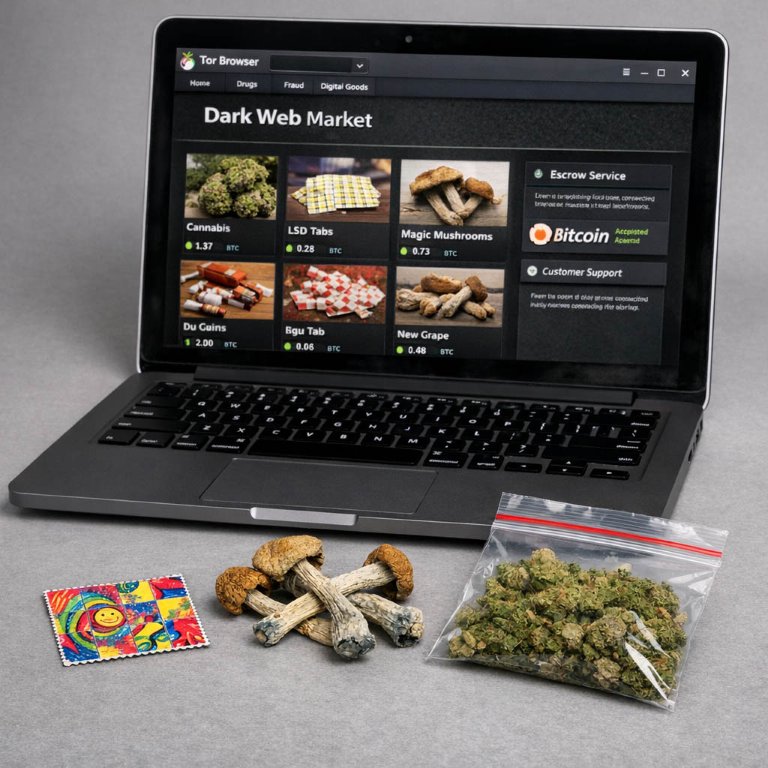
The implementation of encryption works in tandem with other market features to build a secure ecosystem. For instance, the contents of a transaction are protected by encryption, while the escrow service holds the cryptocurrency funds securely until the buyer confirms receipt. Furthermore, the vendor rating system provides feedback on the reliability of the service that was arranged through these encrypted communications. Therefore, encryption is not an isolated feature but the essential layer that enables all other trust-building mechanisms to function without compromising the anonymity of the participants. It transforms the darknet from a mere collection of websites into a viable platform for private economic activity.
How Darknet Ratings Keep Product Quality High
Darknet markets have developed sophisticated, community-driven mechanisms to establish trust and reliability in an environment where legal recourse is absent. The cornerstone of this system is the vendor rating and feedback platform, which functions as a transparent record of performance. After each completed transaction, buyers are encouraged to leave detailed feedback on multiple criteria.
This typically includes numerical ratings for product quality, shipping speed, stealth of packaging, and communication. These aggregated scores create a vendor's overall reputation, visible to all potential buyers. High-volume vendors with consistently high ratings earn trusted or "featured" status on the platform, which directly correlates with increased sales. The feedback is not limited to simple scores; written reviews provide nuanced context about the accuracy of product descriptions, purity, and the overall purchasing experience.
The system's design promotes honest commerce through several key features:
- Feedback can only be left after a transaction is finalized, preventing fake reviews from non-customers.
- Some markets implement a moderation system for disputes before feedback is posted.
- Historical data is preserved, allowing buyers to track a vendor's performance over months or years, observing consistency or noting any red flags.
How Escrow Makes Darnet Drug Deals Safe and Fair
Escrow services are the fundamental mechanism that enables secure transactions on darknet markets. They function as a neutral third party, holding the buyer's cryptocurrency payment in a secure account until the ordered goods are delivered and confirmed. This system directly addresses the inherent trust deficit in anonymous environments, preventing common fraud scenarios where a vendor might accept payment and not ship the product, or where a buyer might falsely claim non-receipt to get a refund.
The process is automated and integrated into the market's platform. When an order is placed, the funds are locked in escrow and are no longer under the direct control of either party. The vendor is notified to ship the product. Upon delivery, the buyer finalizes the order, which releases the escrowed funds to the vendor. If a dispute arises, such as a non-delivery or a significant quality issue, the market's moderation team can be called to arbitrate based on provided evidence, like tracking numbers or product photos, before deciding to release the funds to the vendor or refund the buyer.
This creates a balanced and fair-trade environment. For the buyer, it minimizes financial risk and builds confidence to try new vendors. For reputable vendors, it guarantees payment for fulfilled orders and incentivizes high-quality service and reliable shipping, as their business success depends on positive feedback and the swift release of escrowed funds. The escrow model thus transforms anonymous commerce from a risky endeavor into a structured and predictable economic activity, fostering a self-regulating marketplace where trust is built through successful, platform-mediated transactions.
How Darknet Markets Build Trust and Privacy for Shoppers
The foundation of a darknet market is its ability to facilitate private shopping. This is achieved through layered encryption and the use of anonymous cryptocurrencies like Monero or Bitcoin, which sever the direct link between a transaction and a user's real-world identity. Communication is always encrypted, often using PGP keys, ensuring that only the intended vendor can read order details and shipping information.
Trust is established through transparent, community-driven systems. Every vendor has a public profile featuring a detailed rating system based on customer feedback. Buyers leave reviews on product quality, shipping speed, and stealth of packaging. This creates a powerful reputation mechanism where high-rated vendors are prominently featured, while those with poor feedback are marginalized.
To further secure transactions, markets employ escrow services. The buyer's funds are held in escrow by the market until the product is received and confirmed. This protects the buyer from scams and incentivizes the vendor to fulfill the order correctly. Disputes can be mediated by market administrators. The combination of these systems creates a self-regulating environment where trusted vendors thrive by consistently delivering reliable service, and buyers can shop with a measurable degree of confidence in both the privacy of their actions and the outcome of their purchase.
How Darknet Markets Build Trust and Quality
The operational model of darknet markets demonstrates significant efficiency by streamlining the process of private commerce. These platforms function as centralized hubs where buyers can efficiently compare products, prices, and vendor reputations. The integration of cryptocurrency and escrow services automates the financial aspect of transactions, releasing funds only upon confirmed delivery. This reduces disputes and creates a self-regulating economic environment where successful vendors thrive based on consistent performance.
This efficiency directly fosters resilience. The decentralized nature of the hosting and the use of encryption protect the marketplace infrastructure from single points of failure. The vendor rating system is a core component of this resilience, building a framework of trust that persists beyond individual transactions. Buyers make informed decisions by relying on detailed feedback and historical data, which incentivizes vendors to maintain high product quality and reliable service to preserve their business standing.
Consequently, safe and private shopping is enabled through a synergistic system:
- Anonymity tools protect user identities.
- Escrow and cryptocurrency ensure secure, dispute-minimized payment.
- Transparent rating systems cultivate trusted vendor relationships.

How the darknet makes drug shopping safe and private
The darknet commerce ecosystem achieves safety and privacy through a multi-layered system of cryptographic tools and community-driven reputation. Transactions begin with the use of end-to-end encryption for all communications, ensuring that only the intended buyer and vendor can read message contents. This layer of privacy is fundamental to protecting identities and operational security.
Financial privacy is maintained through cryptocurrencies like Bitcoin and Monero, which allow for pseudonymous value transfer without involving traditional banking institutions. To further secure the transaction against fraud, funds are typically held in a multisignature escrow system controlled by the market software. This means the cryptocurrency is released to the vendor only after the buyer confirms satisfactory receipt of the product, which directly incentivizes honest conduct.
Trust is not assumed but earned and continuously verified. Each marketplace features a transparent vendor rating system where past buyers leave detailed feedback on product quality, shipping speed, and communication. This creates a persistent digital reputation for each seller. New vendors often start with smaller listings to build positive feedback, while established vendors with high ratings can command premium prices, creating a natural economic incentive for reliable service.
The ecosystem is inherently adaptive, with market architectures and community practices evolving in response to internal and external pressures. The integration of these componentsencryption for privacy, cryptocurrency for financial autonomy, escrow for transactional security, and reputation systems for trustforms a resilient model for anonymous commerce that effectively facilitates safe and private shopping with trusted vendors.