Darknet Markets 2026:
The dark web is part of the deep web but is built on darknets: overlay networks that sit on the internet but which can't be accessed without special tools or software like Tor. Tor is an anonymizing software tool that stands for The Onion Router — you can use the Tor network via Tor Browser.
| Darknet Market | Established | Total Listings | Link |
|---|---|---|---|
| TorZon Market | 2022 | 140+ | Onion Link |
| Nexus Market | 2024 | 600+ | Onion Link |
| Abacus Market | 2022 | 100+ | Onion Link |
| Ares | 2026 | 100+ | Onion Link |
| Cocorico | 2023 | 110+ | Onion Link |
Updated 2026-10-27
A Secure Digital Market for Private Commerce
The modern darknet marketplace represents a significant evolution in commerce, providing a digital platform for anonymous trade. These platforms function similarly to mainstream e-commerce sites but are built upon foundational principles of privacy and discretion. Access requires specific software, such as the Tor browser, which anonymizes user traffic by routing it through a distributed network. This architecture effectively separates a user's identity from their online activity, creating a secure environment for transactions that prioritize confidentiality.
User security is further enhanced through robust encryption protocols. End-to-end encryption is standard for all communications between buyers and vendors, ensuring that message contents remain private. Marketplace wallets utilize advanced cryptographic techniques to secure funds, while transaction details are recorded on a blockchain, providing transparency for the payment network without revealing the parties involved. This layered approach to security mitigates risks associated with data interception and fraud.
The transaction process is streamlined through the use of cryptocurrencies like Bitcoin or Monero. These digital currencies enable fast, borderless payments that are difficult to trace, aligning perfectly with the model's need for financial privacy. Payments are typically held in a secure escrow system managed by the marketplace itself. This system protects both parties: the buyer's funds are only released to the vendor after the product is confirmed received, and the vendor is assured that the payment is secured before shipping.
Establishing trust in an anonymous environment is achieved through sophisticated reputation systems. Vendors accumulate ratings and detailed feedback from previous buyers, which are publicly displayed. A high rating and positive reviews are strong indicators of reliability and product quality. Buyers are encouraged to:
- Carefully review vendor profiles and transaction history.
- Read detailed product descriptions and customer reviews.
- Start with smaller orders to vet a new vendor's service.
This peer-review mechanism creates a self-regulating ecosystem where reputable vendors thrive, and poor service is quickly identified by the community.
How Encryption Keeps Darnet Drug Shopping Private and Secure
The operational security of a darknet drug store is fundamentally dependent on encryption. This technology functions as the primary mechanism for user privacy and security, transforming readable data into a scrambled format that can only be deciphered by the intended recipient with the correct key. The process begins with the user's connection to the platform itself, which is routed through the Tor network. This network encrypts internet traffic multiple times and bounces it through a series of volunteer-run servers, effectively obscuring the user's original IP address and physical location.
Once connected, all communications within the marketplace are further secured. This includes:
- Private messages between buyers and vendors, which are protected with end-to-end encryption (E2EE). This ensures that only the two parties in the conversation can read the messages, not even the marketplace administrators.
- The transaction details and shipping information submitted during an order are also encrypted, preventing interception and maintaining the confidentiality of the transaction.
For financial transactions, cryptocurrencies like Bitcoin or Monero are used. These digital currencies rely on cryptographic principles to secure transfers. While Bitcoin transactions are recorded on a public ledger, tools like tumblers can enhance privacy. Monero provides stronger inherent anonymity by obscuring transaction amounts and participant addresses through advanced cryptographic techniques. This layered approach to encryptionfrom network access to communication to paymentcreates a robust framework for anonymous trade, allowing participants to engage with a significantly reduced risk of exposure.
How Crypto Payments Work on a Darknet Market
The integration of cryptocurrency payments is a foundational element for the operational efficiency of a darknet drug store. Unlike traditional banking systems, cryptocurrencies like Bitcoin and Monero function on decentralized networks, enabling direct peer-to-peer value transfer without intermediary financial institutions. This architecture inherently supports the anonymous trade model by severing the direct, legally identifiable link between a buyer's identity and a transaction that exists with credit cards or bank transfers.
The transaction process is streamlined into a few clear steps:
- A buyer receives a unique cryptocurrency wallet address from the vendor or an automated store system.
- Funds are sent from the buyer's personal wallet to this specified address.
- The transaction is recorded on the public blockchain, but the identities of the parties involved are represented only by their alphanumeric wallet addresses.
- Upon confirmation of the required number of network confirmations, the store's system automatically registers the payment as complete, triggering order fulfillment.
This mechanism eliminates traditional commerce friction such as payment reversals, geographic restrictions, and lengthy processing times. The use of escrow services, where funds are held by the platform until the buyer confirms receipt, further smooths the process by building trust. The buyer can release payment with confidence, and the vendor is assured of payment upon successful delivery, creating a self-regulating and efficient digital marketplace. The pseudonymous nature of these transactions, combined with their speed and global reach, directly facilitates the shift from street-level exchanges to online models, offering a more reliable and less risky procurement framework.

How Ratings Build Trust on Darknet Markets
Vendor rating systems are a fundamental component of darknet markets, providing a transparent and community-driven mechanism for establishing trust. These systems transform the typically opaque process of anonymous trade into a data-rich environment where buyer feedback directly influences vendor reputation. A vendor's profile displays a cumulative score, often as a percentage or star rating, derived from historical transaction reviews.
Each review typically includes detailed buyer comments on product quality, shipping speed, stealth of packaging, and communication quality. This feedback loop creates a self-regulating ecosystem where vendors are incentivized to maintain high standards to preserve their rating and continue attracting business. Buyers can filter and select vendors based on these metrics, significantly reducing the uncertainty associated with anonymous purchases.
The structure of these systems often includes:
- Separate ratings for product and shipping
- Verification badges for established vendors
- Detailed comment histories that flag any past issues
This collective intelligence allows new buyers to make informed decisions by relying on the aggregated experiences of previous customers, effectively crowdsourcing reliability. A vendor with a high rating over thousands of transactions presents a lower risk compared to an unrated seller, creating a meritocratic environment where quality and consistent service are rewarded with more business.
How Escrow Makes Darnet Drug Deals Safe for Everyone
The escrow system is a fundamental trust mechanism on a darknet drug store, acting as a neutral third party for transactions. When a buyer places an order, their cryptocurrency payment is held by the platform's escrow service and is not immediately released to the vendor. This creates a secure environment where the buyer can confidently finalize the purchase, knowing the funds are protected until they confirm satisfactory receipt of the product.
The vendor benefits from this model as well, as it provides a clear incentive for the buyer to finalize the transaction. Once the buyer receives the order and marks it as received, the escrow automatically releases the funds to the vendor. This process effectively minimizes the risk of fraud for both parties. Common escrow workflows include:
- Buyer sends payment to a multi-signature escrow address controlled by the platform.
- Vendor ships the product after seeing the payment is secured in escrow.
- Buyer finalizes the order upon receipt, triggering the fund release.
- If a dispute arises, a moderator can intervene to review evidence and adjudicate the release of funds.
This automated yet moderated system replaces the need for interpersonal trust with a structured, protocol-based guarantee. It ensures that vendors are paid for delivered goods and that buyers only spend money on products that are actually shipped, elevating the overall reliability and operational security of the marketplace.
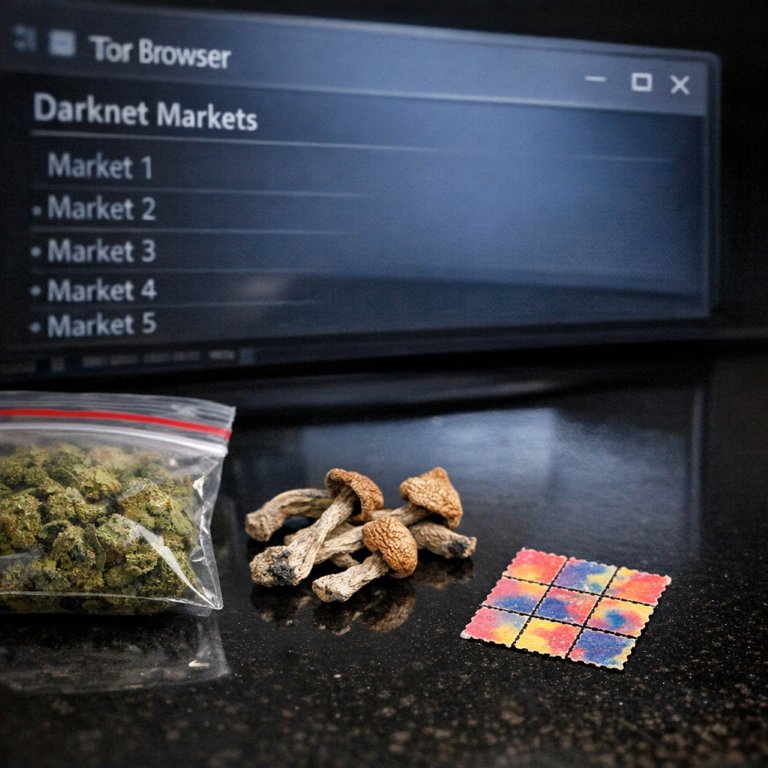
How the Darknet Made Drug Markets Safer and More Reliable
The evolution from physical street markets to digital darknet platforms represents a significant advancement in market efficiency and user safety. Traditional exchanges were constrained by geography, exposed participants to immediate physical danger, and operated on unstable, often violent, reputational systems. The online model dismantles these limitations.
Digital storefronts operate continuously, providing global access to a wider variety of goods without territorial disputes. This model inherently reduces direct personal risk for both buyer and seller. The foundational elements enabling this shift are:
- Anonymity technologies like Tor and encrypted communication, which replace physical concealment.
- Cryptocurrency payments, which act as a functional equivalent to cash but are transferable across any distance.
- Reputation and escrow systems, which formalize trust through transparent, community-driven feedback instead of interpersonal intimidation.
The platform itself functions as a neutral intermediary, enforcing transaction rules impartially. This structural change moves the market's focus from physical control to service quality and transactional reliability. Vendors compete on product purity, shipping discretion, and customer service, as recorded in their public rating systems. This environment incentivizes consistent quality and professional conduct, as a vendor's digital reputation is their primary commercial asset. The operational model is inherently more stable and scalable than its street-level predecessor, creating a persistent, self-regulating marketplace.
How Darknet Markets Keep Product Quality High
Darknet marketplaces have developed a self-regulating ecosystem where product quality is a critical metric for vendor success. Unlike unregulated street markets, these platforms use transparent feedback mechanisms. Every transaction concludes with a buyer leaving a detailed review and a star rating, often covering product purity, accurate weight, stealth in shipping, and communication. This creates a permanent, public record of a vendor's reliability.
The collective feedback forms a reputation score, which is displayed prominently on the vendor's profile. Vendors with consistently high ratings and many completed sales rise to the top of search results, gaining more business. This system incentivizes vendors to maintain high standards, as a single batch of substandard product can result in numerous negative reviews, directly harming future sales and standing on the platform.
Many vendors further ensure quality by providing lab testing results. Independent testing services, used by both vendors and buyer communities, analyze substance samples and publish chemical composition reports. Vendors often link to these results in their product listings, providing empirical evidence of purity and dosage. This practice reduces uncertainty for the buyer and distinguishes professional vendors from amateurs.
Dispute resolution through escrow services also protects buyers in quality disputes. If a product does not match its description, the buyer can open a dispute, providing evidence like photos or test results. A marketplace moderator then arbitrates, often ruling in favor of the buyer if the claim is substantiated, which results in a refund from the escrow. This financial safeguard pressures vendors to accurately represent their products.
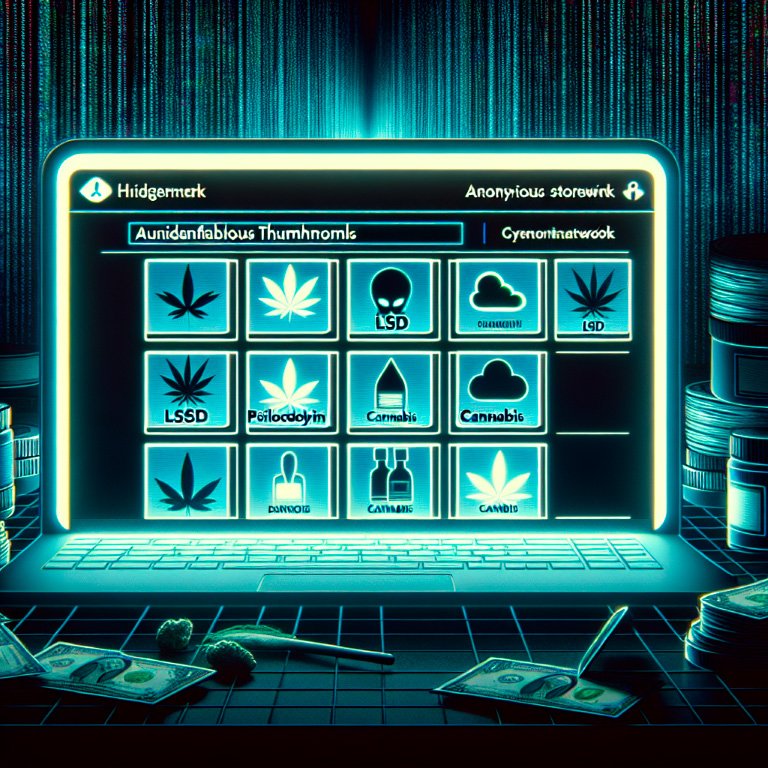
How a Modern Darknet Store Works Smoothly
The operational model of a modern darknet store is engineered for discretion and efficiency, creating a streamlined environment for commerce. It begins with user access through the Tor network, which anonymizes connection traffic, masking a user's location and identity from network observers. Upon reaching the marketplace, a user encounters an interface familiar to any e-commerce shopper, with products categorized and searchable.
Vendor shops operate as independent storefronts within the larger platform. Each vendor establishes their reputation through a transparent rating and feedback system. This crowdsourced accountability mechanism allows buyers to make informed decisions based on previous transaction outcomes, promoting high standards of product quality and reliable shipping. For transaction security, an escrow service is fundamental. Cryptocurrency payments are held in escrow by the marketplace until the buyer confirms satisfactory receipt of the goods, which then triggers the release of funds to the vendor. This system financially incentivizes honest conduct from both parties.
The entire communication and transaction process is protected by robust encryption. Messages between buyers and vendors are typically encrypted using PGP (Pretty Good Privacy), ensuring that only the intended recipient can read the contents. This end-to-end encryption secures addresses and order details. The culmination of this model is a self-regulating ecosystem where cryptocurrency payments provide financial privacy, escrow mitigates fraud, and vendor ratings sustain market quality, facilitating smooth and secure anonymous trade.